Report | Environment California Research & Policy Center

Making the Grade with Clean Energy

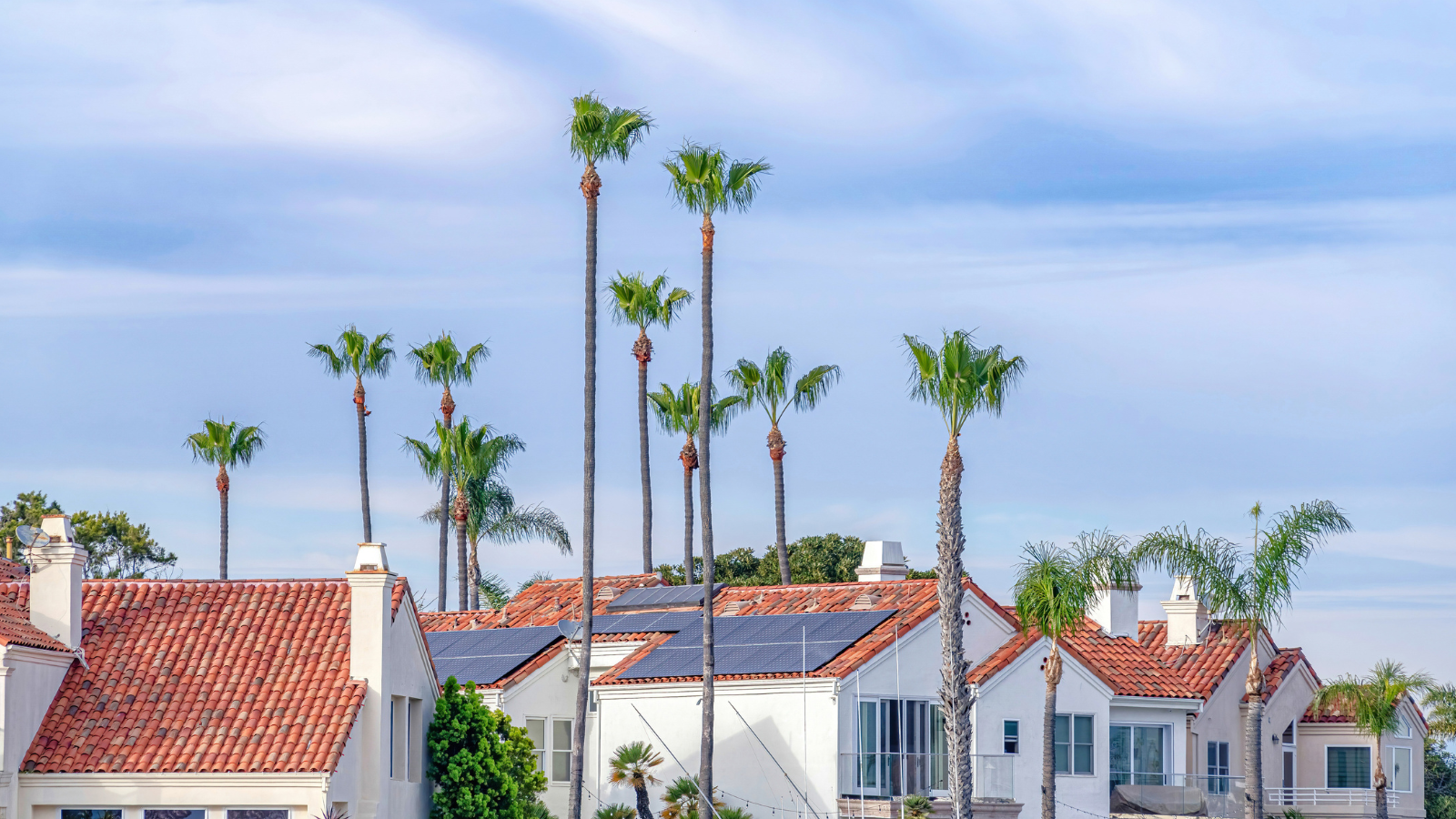
Solar energy makes sense for California’s schools. This first-of-its-kind report presents case studies from 18 California school districts that have installed solar energy projects at nearly 200 schools combined, illustrating the environmental, economic and educational benefits of going solar in our schools.

News Release | Environment California Research & Policy Center

Obama Admin. Finalizes Historic Clean Car Standards

Today the Obama administration finalized new clean car standards that will double the fuel efficiency of today’s vehicles by 2025, drastically reducing emissions of carbon pollution and cutting oil use nationwide.  The standards will cover new cars and light trucks in model years 2017-2025, and require those vehicles to meet the equivalent of a 54.5 miles-per-gallon standard by 2025. 

News Release | Environment California

At Public Forum, Californians Will Tell EPA: Protect Us From Deadly Pollution

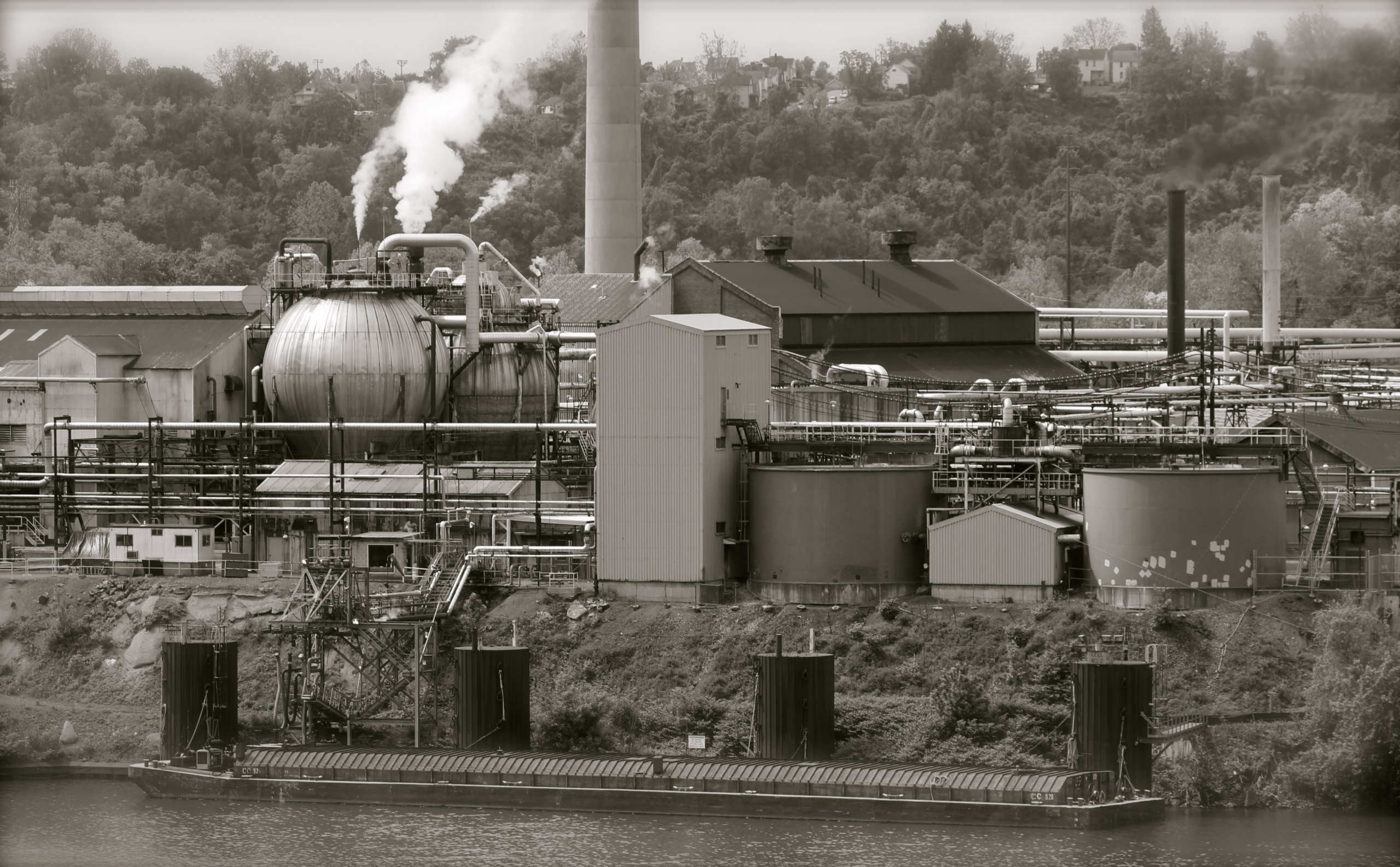
Socorro Hernandez's three children are all avid athletes. But when the air quality in Fresno, CA is bad—as it often is—her 10-year-old twins, both soccer lovers with asthma, and her 16-year-old football player are forced indoors even though they'd rather be at practice.

Result

Leading the fight against global warming

Environment California helped our state become first in the nation to implement an economy-wide cap-and-trade plan in 2011. We also released research and launched a public education campaign to promote more ways to save energy and cut global warming emissions.

Result

We reached a major clean energy milestone.

Thanks in large part to our Million Solar Roofs Initiative, California now generates one gigawatt of power through rooftop solar panels — the equivalent energy of two coal-fired power plants and more than all but five nations worldwide. Policies we helped win — and others for which we're fighting now — will lead to even more solar panels sprouting up on farms, schools, military bases, businesses and homes across the state, reducing air pollution, fighting global warming and creating local jobs.

Result

We brought more clean cars to California.

California’s pioneering clean cars standards, which we helped win in 2006, paved the way for President Obama to propose a major improvement in nationwide fuel efficiency standards: a fleetwide average of 54.5 miles per gallon by 2025. Meanwhile, we helped deliver more than 12,000 petitions calling on the California Air Resources Board to increase the number of emission-free vehicles on the road.

Jerry Brown hits the road for Tesla Motors' Model X

By | Dan Jacobson
Legislative Director

Gov. Jerry Brown will be making an appearance tonight as electric-car maker Tesla Motors unveils a new vehicle in Los Angeles County -- its Model X.

Resource

Statewide endorsers to Gov. Brown's Solar Vision

Over 60 elected officials from California have signed on to say:  “Yes! I endorse Governor Brown’s pioneering vision to build 12,000 megawatts of clean energy – enough solar energy to cover a million solar roofs – by 2020.  By building solar on houses, apartment buildings, offices, schools and warehouses across California, we can create green jobs, reduce air pollution, and generate clean energy to power our lives.”

News Release | Environment California Research & Policy Center

Clean Car Standards Would Save California Drivers $34 million on Thanksgiving Travel

Culver City - As Californians prepare for one of the busiest travel holidays of the year, a new Environment California report finds that more fuel efficient cars would save Californians roughly $34 million at the gas pump this Thanksgiving alone while also making significant cuts in oil use. The report was released just days after state and federal regulators announced new clean car regulations for the coming decade. 

Report | Environment California Research & Policy Center

The Way Forward on Global Warming, Vol. 1

By adopting a suite of clean energy policies at the local, state and federal levels, the United States could curb emissions of carbon dioxide from energy use by as much as 20 percent by 2020 and 34 percent by 2030 (compared with 2005 levels).

Pages